
Is It Your Thumb or Your Pinky?
Waking up with a tingling sensation in hand is a scary experience for anyone. You might wonder if you have pinched a nerve or if something more serious is happening. Understanding a hand numbness diagnosis starts with one simple question: which fingers feel tingly? Most hand tingling symptoms stem from two common conditions: Carpal Tunnel Syndrome and Cubital Tunnel Syndrome. While they feel similar, they affect completely different nerves and areas of your hand.
I remember when I first started feeling that pins and needles sensation. I thought it was just from sleeping weirdly on my arm. One of my friend actually had it much worse; he couldn’t even hold a coffee cup without his pinky going totally numb. We both had to go get a professional hand numbness diagnosis to figure out why our hands were failing us.
In this article, we will break down the symptoms of nerve compression. We will also look at how doctors reach a hand numbness diagnosis so you can seek the right treatment.
Understanding the Median Nerve: Carpal Tunnel Syndrome
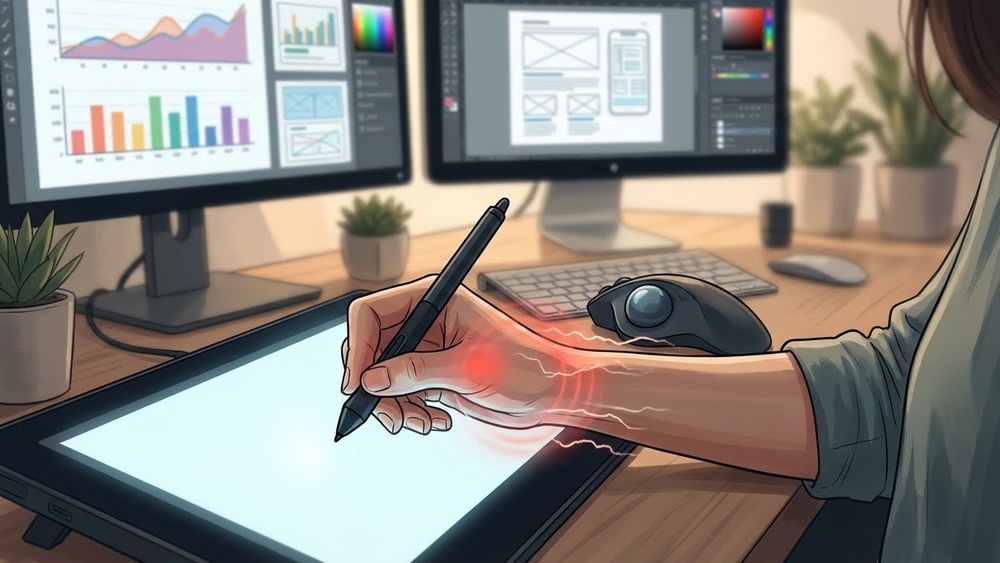
The Carpal Tunnel is a narrow passageway on the palm side of your wrist. The Median nerve runs through this tunnel. This nerve provides sensation to your thumb, index finger, middle finger, and half of your ring finger. If this tunnel becomes swollen, it causes nerve compression.
When you seek a hand numbness diagnosis for Carpal Tunnel Syndrome, doctors look for specific Median nerve symptoms. You will likely feel pain or tingling in your thumb and the first three fingers. Many people notice the pain gets worse at night. You might find yourself shaking your hand to “wake it up.”
- Symptoms: Numbness in the thumb and index finger and wrist pain.
- Hand Weakness: Dropping objects or struggling with buttons.
- Repetitive Motion Injuries: Often caused by typing, driving, or assembly line work.
My cousin is a graphic designer who spends ten hours a day on a mouse. She noticed her thumb felt like it was buzzing all the time. She ignored it for months until she couldn’t grip her stylus anymore. Once she got her hand numbness diagnosis, she realized her ergonomic workstation setup was the problem.
Understanding the Ulnar Nerve: Cubital Tunnel Syndrome
Cubital Tunnel Syndrome is different because it involves the “funny bone” nerve. This is the Ulnar nerve, which travels through the elbow. It provides sensation to your pinky finger and the other half of your ring finger. If you lean on your elbows a lot, you might be at risk for elbow pain.
A hand numbness diagnosis for Cubital Tunnel focuses on Ulnar nerve symptoms. You will not feel this in your thumb. Instead, your pinky will feel cold, numb, or weak. This is among the most common causes of hand numbness. This condition often stems from keeping your elbow bent for long periods, like when you sleep or hold a phone.
Comparing the Two Conditions
To assist with a self-diagnosis of hand numbness, you can use this simple comparison table:
| Feature | Carpal Tunnel Syndrome | Cubital Tunnel Syndrome |
| Primary Nerve | Median Nerve | Ulnar Nerve |
| Numbness Location | Thumb, Index, Middle Fingers | Pinky and Ring Fingers |
| Compression Point | The Wrist | The Elbow |
| Common Symptoms | Wrist Pain | Elbow Pain |
How Doctors Confirm a Hand Numbness Diagnosis
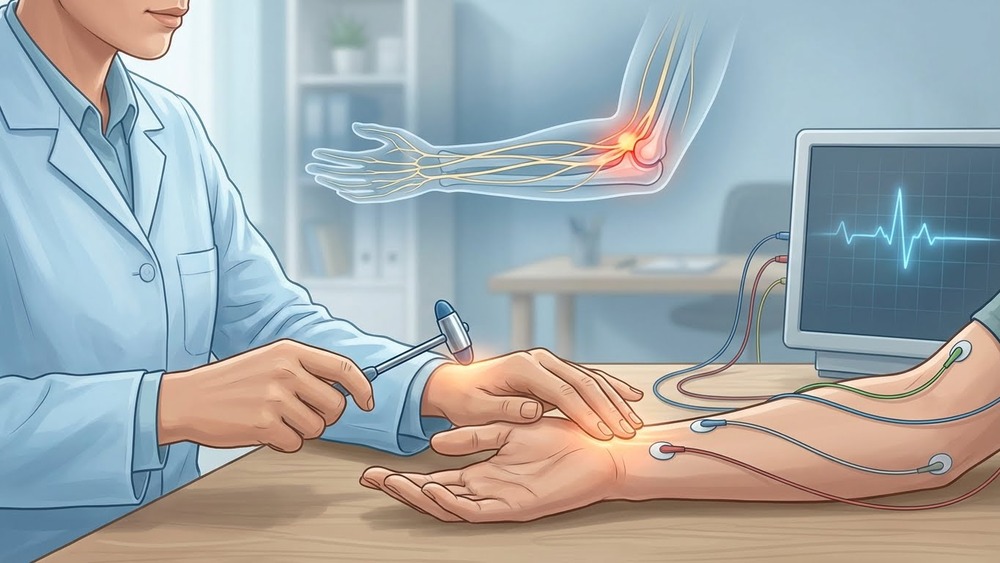
You should not try to self-diagnose forever. A doctor uses diagnostic tests for nerve damage to give you a formal hand numbness diagnosis. First, they will perform a physical exam. They might tap on your wrist or ask you to hold your hands in a specific position to see if symptoms appear.
Secondly, they may order an Electromyography (EMG) test. This test measures the electrical activity in your muscles. It helps the doctor see exactly where the nerve is being pinched. Furthermore, nerve conduction studies can show how fast signals travel through your nerves. These tests are the “gold standard” for a precise hand numbness diagnosis.
My friend Raj had to get an EMG last year. He said it felt like tiny electric shocks, but it wasn’t too painful. The test showed that his elbow was the problem, not his wrist. This saved him from getting a surgery he didn’t actually need!
Tips for Relieving Hand Numbness and Prevention
While waiting for a physician consultation for nerve issues, you can take steps to reduce the pressure. Change your ergonomic workstation setup to be more supportive. Use wrist splints at night to keep your joints straight. Use elbow pads for nerve protection to avoid leaning on hard surfaces. These steps are essential for the prevention of hand numbness.
- Wrist Splints: These keep the Carpal Tunnel open during sleep.
- Elbow Pads: These protect the Ulnar nerve from hard surfaces.
- Frequent Breaks: Stretch your fingers every 30 minutes to avoid repetitive motion injuries.
I started using a vertical mouse at work. It felt very strange for the first week, but the numbness in my thumb vanished. My friend John started using an elbow brace that prevents him from curling his arms at night. He says his pinky finally feels normal again.
Hand Health Resources
To learn more about the long-term effects of nerve disorders, check out these sources:
- The American Academy of Orthopaedic Surgeons: This site offers detailed anatomical drawings and surgical options for nerve compression.
- The Mayo Clinic on Nerve Disorders: A great resource for understanding the long-term effects of untreated nerve issues.
- WebMD Hand Pain Tool: This interactive guide helps you narrow down your symptoms before you see a doctor.
When to See a Doctor for Hand Numbness
Don’t ignore the signals your body is sending you. Whether it is your thumb or your pinky, nerve compression is a serious matter. A timely hand numbness diagnosis can be the difference between a simple stretch and a major surgery. Take care of your joints, watch your posture, and listen to your hands.
I met a patient who was a gamer. He came to me with a hand that felt “asleep” for weeks. He thought it was nothing serious and kept ignoring it. This caused him a lot of stress.
After a simple check-up, we understood what was happening. He told me he wished he had come earlier.
If your hand feels numb, tingly, or weak for more than a few days, don’t wait. See a doctor. Early advice can prevent long-term problems and give you peace of mind.
Medical Disclaimer:
The information provided in this article is for educational and informational purposes only. It is not intended as medical advice or a substitute for professional medical consultation, diagnosis, or treatment. Always seek the advice of your physician or other qualified health provider with any questions you may have regarding a medical condition. Never disregard professional medical advice or delay in seeking it because of something you have read in this article.
Author: Dr Nirosh