
Do you feel a burning sensation in your upper back after a long day at the computer? You might be suffering from “Mouse Shoulder,” medically known as Trapezius Myalgia. If you spend hours clicking and scrolling, your shoulder muscles stay under constant tension. This repetitive strain leads to knots and sharp pain. Finding Mouse Shoulder Relief is not just about comfort; it is about protecting your long-term mobility.
My Experience with the “Desk Ache”

I remember back in 2022 when I was working on research. My right shoulder felt like it was on fire every evening. My friend, who is a graphic designer, actually had it worse; he couldn’t even lift his coffee mug without wincing. We both realized that our “clicking arm” was stuck in a static, tensed position for eight hours straight.
Why Does Your Clicking Arm Hurt?
Mouse shoulder happens because of static loading. Your trapezius muscle holds your arm up while you move the mouse. This constant contraction cuts off blood flow. Because the muscle never relaxes, lactic acid builds up. This process creates those painful “knots” you feel near your shoulder blade.
Many people ignore this pain. They think it will go away with a night of sleep. However, without active Mouse Shoulder Relief, the muscle fibers eventually shorten and tighten permanently. You must change your habits to break this cycle of pain.
Simple Stretches for Mouse Shoulder Relief
To fix the tension, you must move. Here are three quick movements you can do right at your desk:
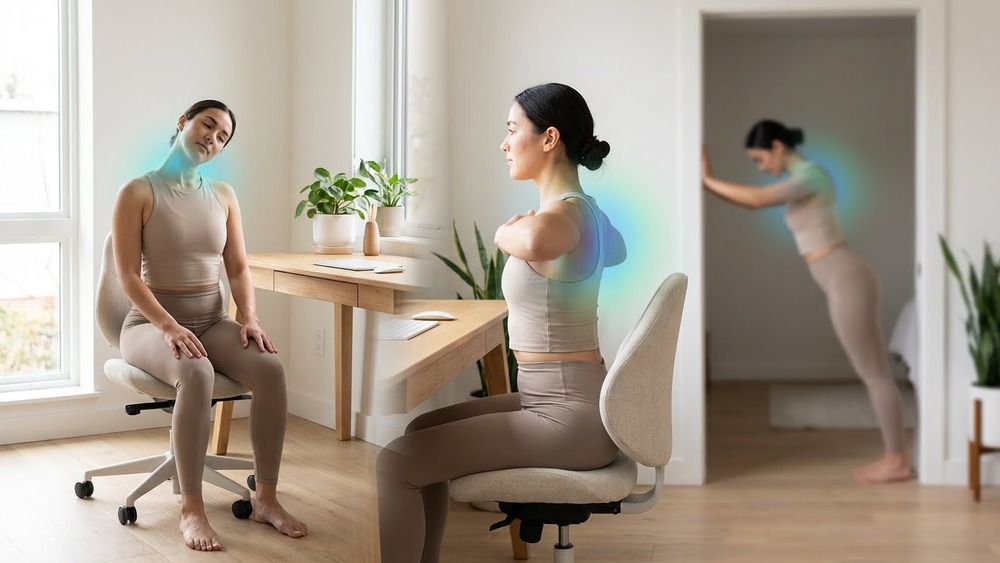
- The Ear-to-Shoulder Release: Sit up straight. Slowly drop your left ear toward your left shoulder. Hold for 20 seconds. Repeat on the right side.
- The Shoulder Blade Squeeze: Imagine a pencil between your shoulder blades. Squeeze them together tightly. Hold for five seconds and release.
- The Doorway Stretch: Stand in a doorway. Place your forearms on the frame. Lean forward gently to open your chest and front deltoids.
My friend and I started setting a timer for every 30 minutes. We would stand up and do these exact stretches. At first, it felt silly to stop work, but within a week, the “burning” sensation started to fade significantly.
Ergonomic Upgrades for Your Workspace
Your desk setup is often the primary cause of the problem. If your mouse is too far away, your shoulder must “reach” all day. This reaching is the enemy of Mouse Shoulder Relief.
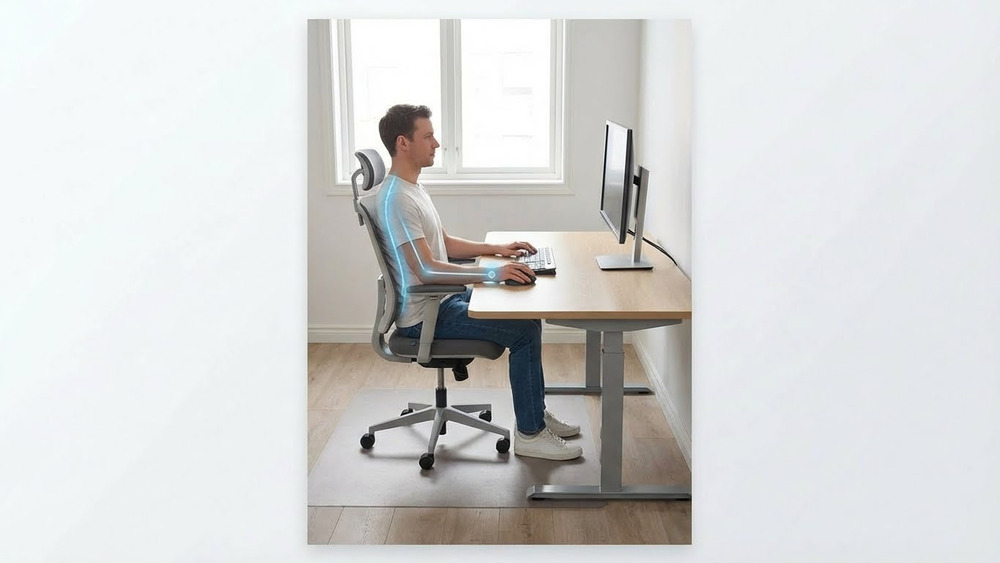
- Lower Your Chair: Ensure your elbows are at a 90-degree angle.
- Move the Mouse Closer: Your mouse should be right next to your keyboard.
- Use a Vertical Mouse: These devices keep your forearm in a neutral “handshake” position.
- Support Your Forearm: Use a desk with enough depth to rest your entire arm on the surface.
Focus on Lifestyle Changes
Beyond the desk, your overall health matters. Hydration keeps your muscle tissues supple. Regular exercise increases blood flow to the trapezius area. Furthermore, stress management is crucial. We tend to “hike” our shoulders toward our ears when we are stressed.
I found that using a heat pack in the evening really helped. My friend started using a foam roller on his upper back. Both of us noticed that when we stayed hydrated, the muscle knots were much less frequent. Small changes made a massive difference in our daily pain levels.
Best Resources for Further Reading
To deepen your understanding of muscle health and ergonomics, check out these expert resources:
- Mayo Clinic on Repetitive Strain Injury: This guide explains the clinical side of muscle strain and how to avoid permanent nerve damage.
- OSHA Computer Workstation eTool: An official government resource that provides a checklist to ensure your desk is ergonomically correct.
- Physiopedia – Trapezius Myalgia: A technical look at why the trapezius muscle fails and advanced physical therapy techniques for recovery.
Summary of Action Steps
If you want lasting Mouse Shoulder Relief, follow these steps:
- Adjust your mouse position to prevent reaching.
- Perform shoulder blade squeezes every hour.
- Stay hydrated to support muscle recovery.
- Switch to a vertical mouse if the pain persists.
Don’t wait for the pain to become chronic. Your body is giving you a signal. Listen to it. Take a break, stretch your muscles, and fix your setup today. If persistent pain immediately meet your doctor.
Medical Disclaimer
The information provided in this article is for educational purposes only and is not intended as medical advice. Always seek the advice of your physician or other qualified health provider with any questions you may have regarding a medical condition. Never disregard professional medical advice or delay in seeking it because of something you have read here.
Author: Dr. Nirosh
Dr. Nirosh is a medical doctor and active trader who specializes in the physical and mental health challenges faced by traders, gamers, and desk professionals. He combines clinical medical knowledge with real-world trading experience to create practical, evidence-based solutions that improve performance and reduce pain.
👉 Read Dr. Nirosh’s full bio