
Sciatica can escalate quickly. Understanding the sciatica warning signs is crucial for anyone who occasionally feels tingling in the leg. This condition, which stems from nerve compression, can create discomfort that affects daily activities. In this article, we’ll discuss the critical signs associated with sciatica and where to seek help.
What is Sciatica?
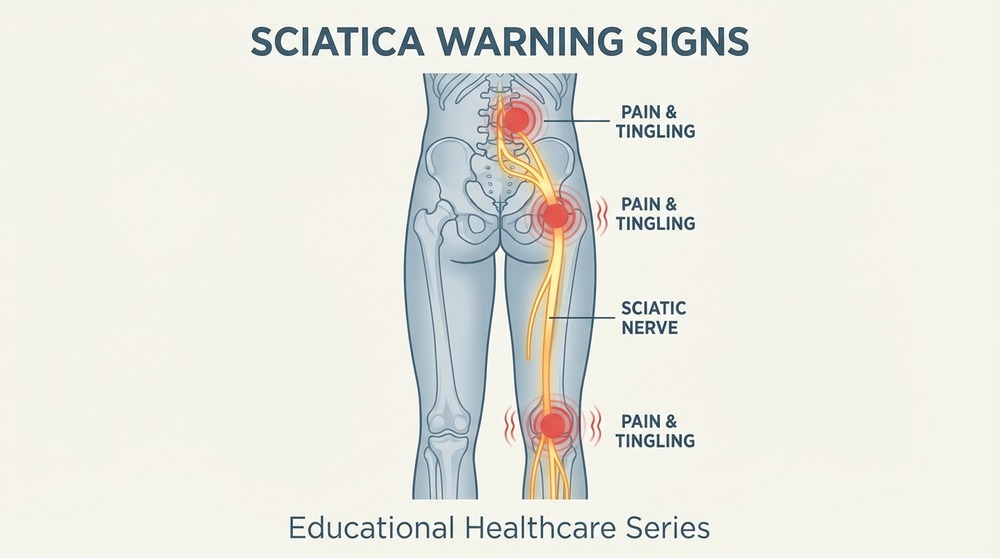
Sciatica results from irritation, inflammation, or compression of the sciatic nerve. This nerve runs from the lower back down to each leg. When something compresses it, it can produce symptoms in various parts of the leg. Familiar symptoms may include pain, tingling, and numbness.
When I first felt that tingling sensation in my leg, I didn’t think much of it. I assumed it was just fatigue. However, my friend experienced similar symptoms and learned the hard way about the importance of recognizing sciatica warning signs.
The High Cost of Sitting: Trading and Gaming

For those deeply involved in the world of Forex or monitoring Binance for the latest moves in Bitcoin and other cryptocurrency assets, sitting for extended hours is a professional hazard. Whether you are executing high-stakes trades or losing yourself in a marathon session of GTA 5, your physical health is constantly at risk.
When you are focused on a volatile Bitcoin chart, you often ignore the subtle sciatica warning signs. I have seen many colleagues lose their edge because they were distracted by shooting pains. When people get sciatica, they lose at trading. It is impossible to maintain the discipline required for Forex or cryptocurrency markets when your body is in distress. A sharp nerve pain can lead to a “fat finger” error or an impulsive exit that wipes out your gains.
Common Sciatica Warning Signs
Recognizing common sciatica warning signs can save you from future issues. Key indicators include:
- Pain in the Lower Back: Persistent pain that radiates from the lower back down the leg is one of the most significant signs.
- Tingling Sensation: When you experience tingling or a pins-and-needles feeling, especially on one side of the body, it’s time to take caution.
- Weakness in the Leg: If you notice difficulty in moving your leg or foot, it can indicate nerve involvement.
- Numbness: Numbness in part of your leg can signal irritation of the sciatic nerve.
When I discussed this with my friends, some also described similar symptoms they brushed aside while they were busy gaming or trading. Ignoring these signs can lead to further complications.
When to Stand Up Immediately
It’s essential to understand that feeling tingling in your leg doesn’t always mean something minor. Here are three scenarios where you must act promptly:
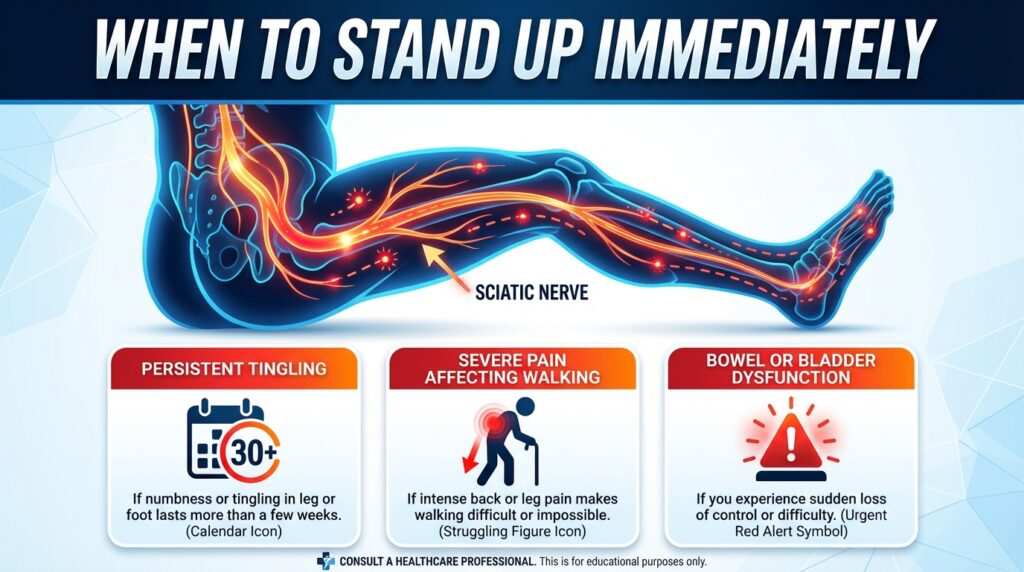
- Persistent Symptoms: If the tingling sensation continues for several days, it’s time to consult a healthcare provider. Persistent symptoms can indicate nerve compression requiring attention.
- Accompanied by Severe Pain: If tingling occurs alongside severe pain that affects your ability to walk or perform daily activities, seek help immediately.
- Bowel or Bladder Dysfunction: Difficulty controlling your bowels or bladder is a serious red flag. This condition can indicate a severe problem, and immediate medical attention is necessary.
My friend learned this the hard way. She felt tingling in her leg and delayed seeing her doctor. When she finally went, the situation had escalated, resulting in more extensive treatment.
Diagnostic Tests for Sciatica
Your doctor will likely recommend diagnostic tests if you exhibit sciatica warning signs. These tests may include:
- MRI or CT scan: Imaging can reveal any herniated discs or other issues compressing your sciatic nerve.
- Nerve conduction studies: This test measures how well the sciatic nerve functions.
This reminded me of the time I took my friend to the clinic. After a nerve conduction study, the doctor provided significant insights into what was happening with her health.
Treatment Options
If you experience sciatica warning signs, it’s crucial to explore treatment options. Here are some commonly recommended methods:
- Physical Therapy: Physical exercise can alleviate pain and improve mobility.
- Medication: Pain relief may come from nonsteroidal anti-inflammatory drugs (NSAIDs).
- Surgery: In severe cases, surgical intervention may be necessary to relieve nerve pressure.
I shared these options with my friend, and we both realized that proactive measures are crucial when facing such symptoms.
Prevention Tips
Preventing sciatica is feasible with lifestyle modifications. Consider these simple adjustments:
- Ergonomic Changes: Ensure your workstation supports your posture. Proper alignment can help reduce nerve compression.
- Regular Exercise: Keeping active enhances muscle strength and prevents injury. I learned this after adopting a consistent workout routine with my friends.
- Avoid Prolonged Sitting: Standing up to stretch or walk briefly every hour can significantly lower the risk of sciatica flare-ups.
People Also Ask: Sciatica FAQ
To help you better understand the nuances of nerve health, here are some common questions regarding sciatica warning signs:
1. What are the 3 red flags of sciatica? The most critical “red flags” include sudden loss of bowel or bladder control, progressive weakness in the legs (making it hard to stand), and “saddle anesthesia,” which is numbness in the areas that would touch a saddle.
2. How do I know if my leg pain is sciatica? Sciatica typically radiates from the lower back through the buttock and down the back of a single leg. Unlike muscle strain, the pain often feels like an electric shock or sharp burning sensation.
3. Can sciatica go away on its own? In many cases, mild sciatica resolves within 4–6 weeks with rest and physical therapy. However, if warning signs persist or worsen, professional intervention is necessary to prevent permanent nerve damage.
4. Does walking help sciatica? Yes, gentle walking can be beneficial. It encourages blood flow and helps maintain flexibility. However, you should avoid long strides or walking on uneven surfaces that might aggravate the nerve.
5. Is a tingling leg always a sign of sciatica? Not necessarily. While tingling is a primary sciatica warning sign, it can also be caused by poor circulation, diabetes (peripheral neuropathy), or a simple “sleeping limb” from sitting too long. A clinical diagnosis is the only way to be sure.
Conclusion
Recognizing the sciatica warning signs is vital for well-being. Understanding what tingling in your leg means can lead to prompt action and treatment. If you notice any concerning symptoms, don’t hesitate to stand up and seek medical advice. Taking these signs seriously can make all the difference.
For further information on sciatica, explore this resource from Cleveland Clinc.
For practical tips and insights about dealing with nerve-related issues, consider reading this NIH publication.
Medical Disclaimer: This article is for informational purposes only and is not a substitute for professional medical advice. Always consult with a qualified healthcare provider regarding any questions or concerns you may have about a medical condition.
Author: Dr. Nirosh Dr. Nirosh is a medical doctor and active trader who specializes in the physical and mental health challenges faced by traders, gamers, and desk professionals. He combines clinical medical knowledge with real-world trading experience to create practical, evidence-based solutions that improve performance and reduce pain.
👉 Read Dr. Nirosh’s full bio.